Enterprise Server Solutions and IT Hardware Services form the backbone of every digital initiative in today’s data-driven, performance-focused age. Reliable IT infrastructure ensures that critical applications run smoothly, data is processed efficiently, and organizations maintain the performance needed to stay competitive.
In order to support daily operations, handle data, run apps, and provide seamless digital experiences to both consumers and staff, businesses in the digital era are depending more and more on robust and dependable IT infrastructure.
Enterprise server solutions and IT hardware services are the foundation of this infrastructure, allowing businesses to run effectively, securely, and at scale. Knowing these core technologies is crucial, whether you’re an enterprise managing mission-critical workloads or a small business expanding into a larger organization.
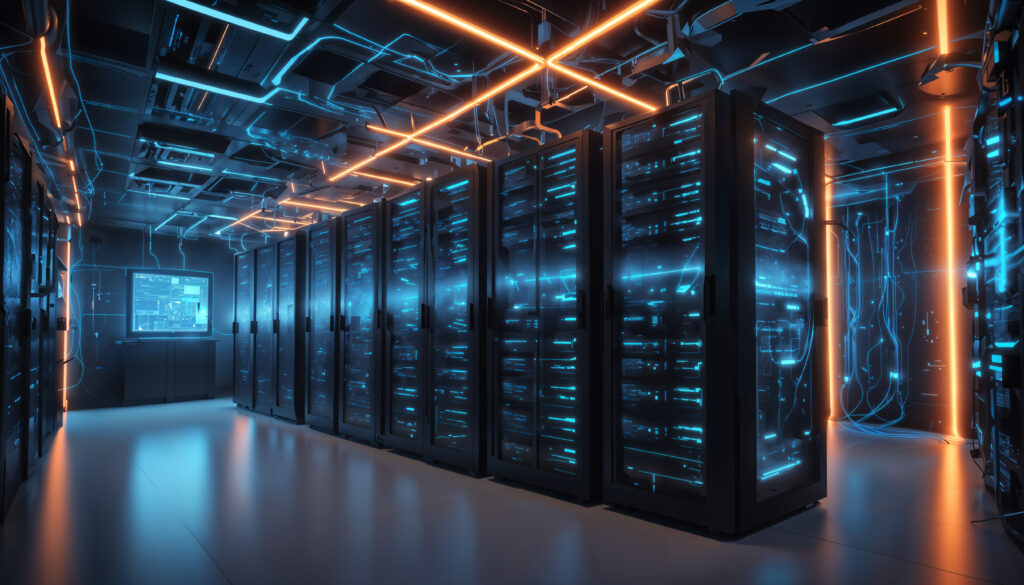
What Are Enterprise Server Solutions?
The complex computer systems and related software and services that companies utilize to host applications, manage data, support network services, and guarantee high availability and dependability of their IT environments are referred to as enterprise server solutions. Physical servers, virtualization platforms, storage systems, and network components with high performance and redundancy are common examples of these solutions.
Enterprise servers, in contrast to typical consumer gear, are designed to run constantly, accommodate numerous users at once, and manage demanding workloads with little downtime. In businesses of all sizes, they are an essential component of the IT stack.
Why Enterprise Servers Matter for Businesses
1. Performance and Reliability
Even under high demand, enterprise servers are designed to provide reliable performance. They guarantee uninterrupted service access for customers throughout the company by supporting essential business applications like database systems, email servers, enterprise resource planning (ERP) solutions, and more.
Their strong architectures, which include sophisticated cooling systems and redundant power supply, significantly lower the chance of failure, which is essential for business continuity.
2. Scalability
Businesses need more technology as they grow. By adding more memory, expanding storage, or integrating more servers, enterprise server solutions enable businesses to scale their infrastructure to meet growing demand. Businesses can swiftly adjust and stay flexible in dynamic markets thanks to this scalability.
3. Security and Control
Enterprise hardware includes built-in security features such as trusted platform modules (TPM), encrypted storage, and secure boot processes.
These help protect sensitive data and maintain compliance with industry regulations. Proper server solutions also allow organizations to control access, manage updates centrally, and implement backup and disaster recovery strategies that minimize risk.
4. Support for Virtualization
Modern enterprise IT environments often use virtualization, creating virtual versions of servers and storage that can run multiple applications on a single physical machine.
Virtualization enhances resource utilization, simplifies management, and reduces costs compared to traditional hardware-only setups. This consolidation approach not only saves physical space but also reduces energy consumption and cooling requirements.
What Do IT Hardware Services Include?
IT hardware services cover more than just the physical components themselves. They include:
- Greater uptime and availability: Critical systems stay online, minimizing business interruptions.
- Improved user experience: Faster response times and reliable access to applications boost productivity for employees and satisfaction for customers.
- Cost optimization: While enterprise solutions require upfront investment, their durability and performance often lead to lower total cost of ownership (TCO) over time compared to frequent replacements of lower-grade systems.
- Enhanced IT agility: With scalable infrastructure, IT teams can deploy new applications more rapidly and respond to emerging business needs without major disruptions.
Aligning Infrastructure with Modern Enterprise Goals
Purchasing and deploying hardware is no longer the only option for modern IT infrastructure strategy. They include improved security procedures, cloud platforms, and virtual environment integration. Companies are looking more and more for hybrid architectures that give them the flexibility, redundancy, and agility of both cloud services and on-premises servers.
In this regard, firms can learn how to organize their IT infrastructure for performance and future preparation from seasoned technology partners like AlBarq Tech (a subsidiary of Al Barq KSA). Businesses can attain both operational excellence and innovation momentum by matching hardware decisions with more general digital objectives and making sure that technology investments support business outcomes.